
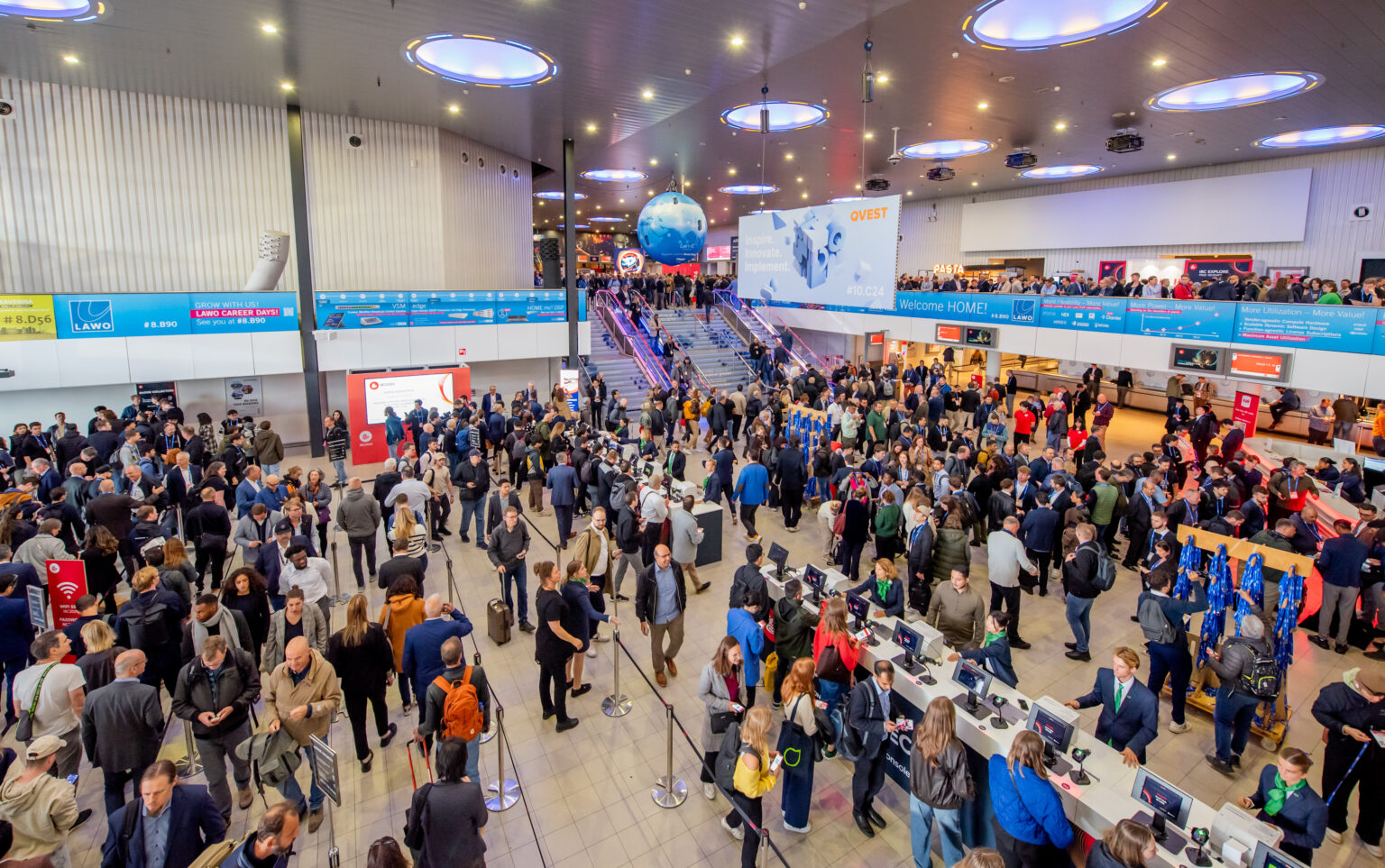
A global contingent of media and entertainment is set to attend the IBC Show. This year, the theme is “shaping the future.”
The annual convention will take place Sept. 12–15 at the RAI Amsterdam. There are approximately 270 speakers and some 1,350 exhibitors lined up. Last year the show drew about 45,000 people.
IBC promises to explore trends in distribution, transmission and consumption of content. We caught up with Steve Connolly, director of IBC, about its radio aspects. He has been its head of sales for 10 years. Answers have been edited for clarity.

Radio World: What important themes or technology trends can radio attendees expect?
Steve Connolly: The show will include a range of topics relevant to both audio and radio professionals. In addition to themes like cloud adoption, virtualization and the digital switchover, AI remains a major talking point for this year’s show.
In fact, one of the nine projects in the IBC Accelerator Media Innovation Program, “AI Assistance Agents for Live Production,” includes an audio workstream led by Shure. The project will explore the use of AI assistants in studio environments to help hosts navigate both shift duties and control production systems using natural language commands.
This has wide-reaching implications for how radio professionals interact with production interfaces and speed up tedious tasks.
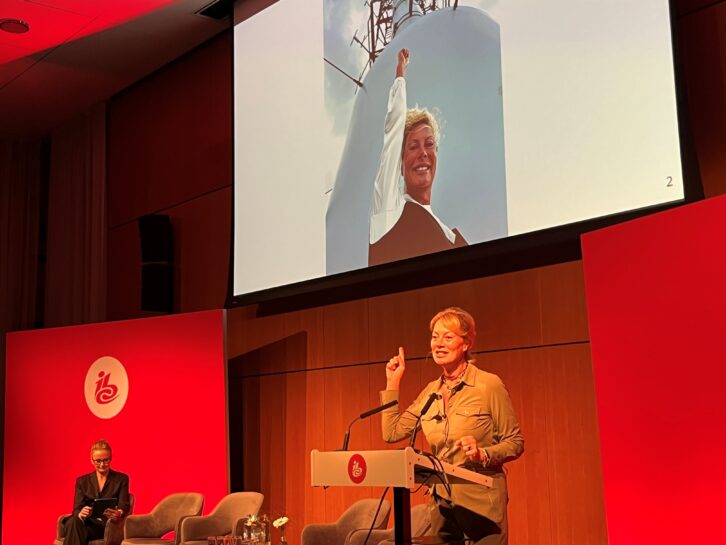
WorldDAB will be at the show to present its session, “Shaping the Future of Broadcast Radio,” on Sunday, Sept. 14, from 14:30–16:00. It will update the growth of the DAB+ platform, with its recent launches in Turkey and Greece, trials in Ireland, Bosnia and Herzegovina, and Thailand, and its initiatives in Germany and Switzerland.
Jacqueline Bierhorst, WorldDAB’s president, will speak. The organization will also demonstrate its new DAB+ Automatic Safety Alert system.
An array of radio- and audio-related exhibitors will be present, the majority of radio in Hall 8.
RW: What are you hearing as current areas of business challenge or concern from the IBC radio community?
Connolly: Many challenges are shared across the wider media industry. Among them are maintaining visibility and audience reach across digital platforms like smart speakers and mobile apps. Listening habits are increasingly shaped by on-demand and multi-device environments, so ensuring a strong and discoverable presence across platforms is key.
At the same time, macro-economic pressures and trade disruption are accelerating the move towards more nimble, software-defined solutions and creative ways of doing business globally.
We have an incredibly strong cohort of radio technology vendors at IBC2025 tackling some of these issues head-on — covering everything from RF transmission and DAB+ equipment to automation, audio networking and remote production. This includes longstanding specialists as well as emerging innovators, many of whom are returning to IBC with new technologies and service offerings.

RW: What are the most important trends in the evolution of radio broadcast infrastructure?
Connolly: The organizations we speak with are focused on how to introduce software-based systems that can work alongside existing hardware while providing hosts the familiarity they’re used to with traditional interfaces.
Cloud-based tools, remote production and virtualized mixing solutions are widely explored by radio broadcasters looking to streamline operations — but their implementation timelines vary across regions and companies.
AI, meanwhile, is increasingly viewed as an enabler for efficiency — reducing the time spent on the “mundane,” rather than replacing creative, human workflows.
Its adoption is still in the early stages for many, but there is clear interest in understanding how these tools can add value while still enabling operators to work faster and creatively.
Editor’s Note: The convention includes a track of technical presentations. On Friday Sept. 12, sessions will address advances in live sports production, including the use of AI, AR and 5G; new approaches to improving streamed content delivery; the future of 5G broadcasting; and developments in wireless technology.
Saturday’s talks focus on the uses of AI in live production, post production, content curation and “speech,” such as voice transformation, reviving archival voices and correcting audio problems. Sunday’s papers explore “provenance, authentication and privacy” in news, as well as technical advances in video including avatars and immersivity. Find that info here.
[For News Like This See Our Show News Page]
link